


SHOP
Alloy Steel
Online Metals is your top source for high-strength alloy steel. We stock the widest variety of chromoly and heat-treatable alloys like 4130 and 4340. With no minimums and fast shipping, we supply the toughness racers, aerospace engineers, and machinists demand.

SHOP
Shop by Shape & Alloy


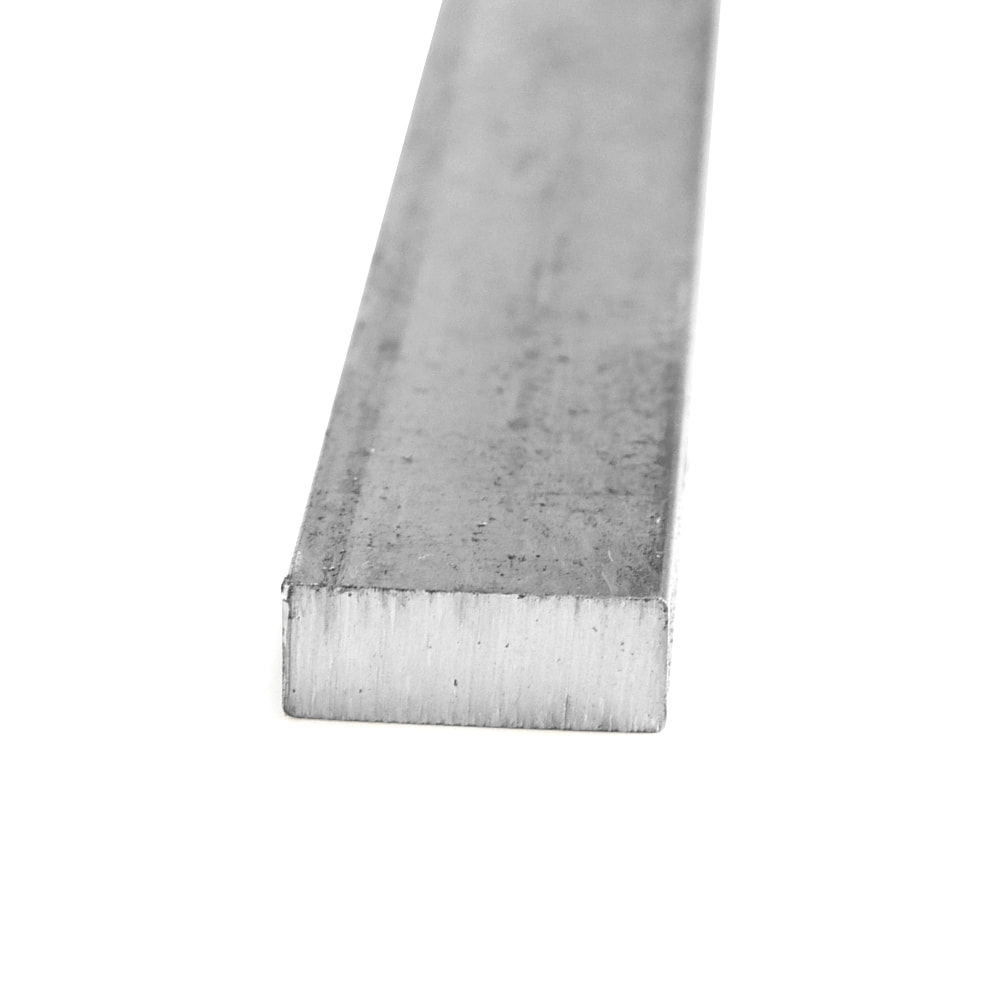


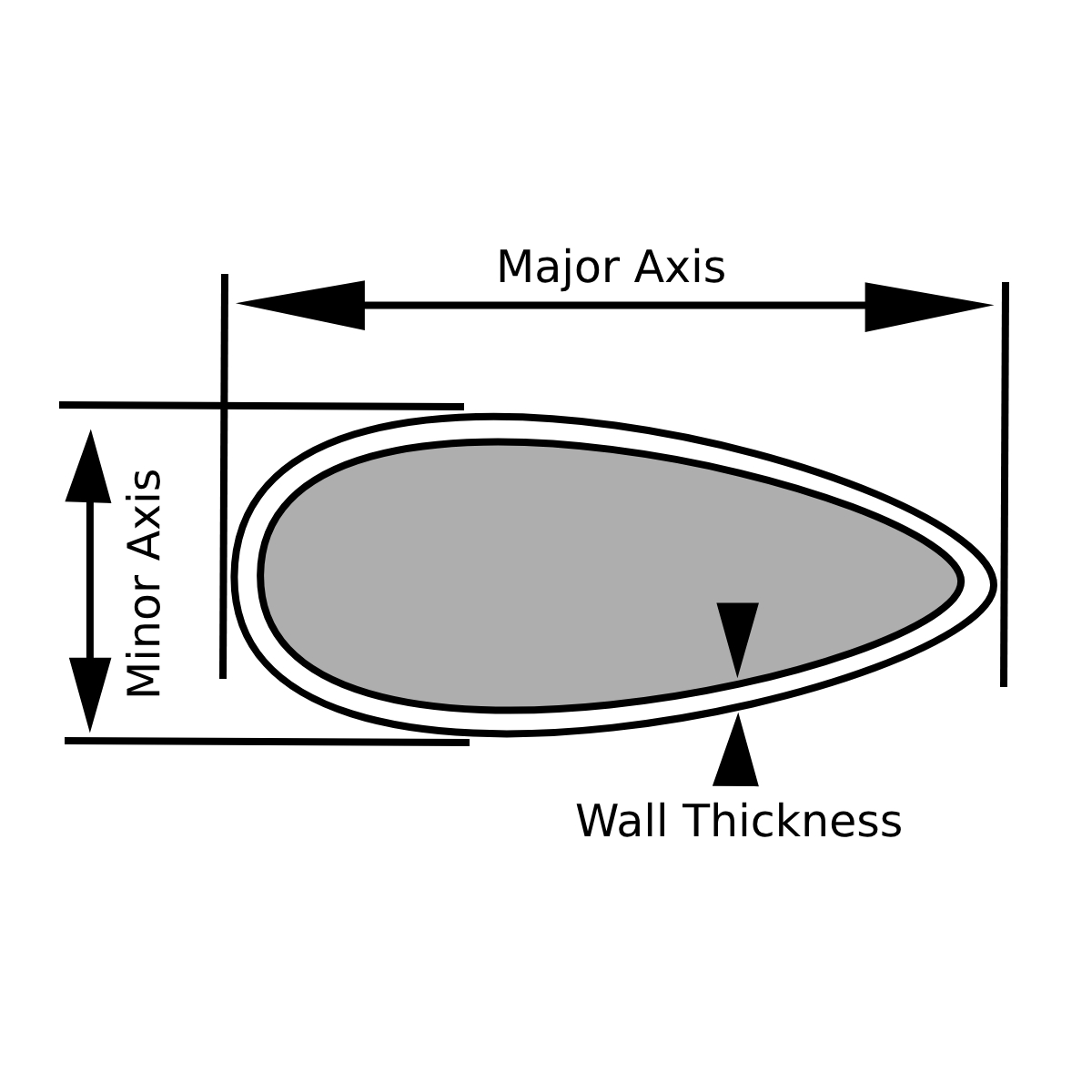
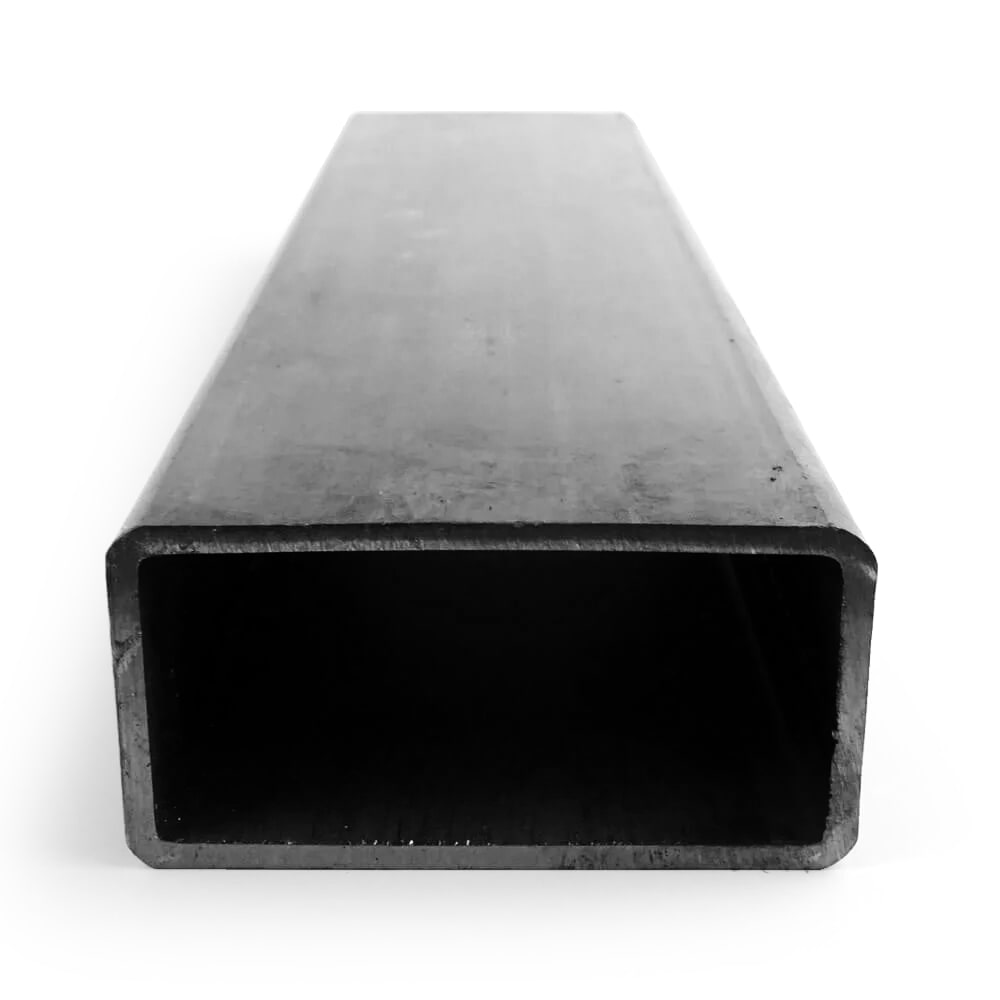
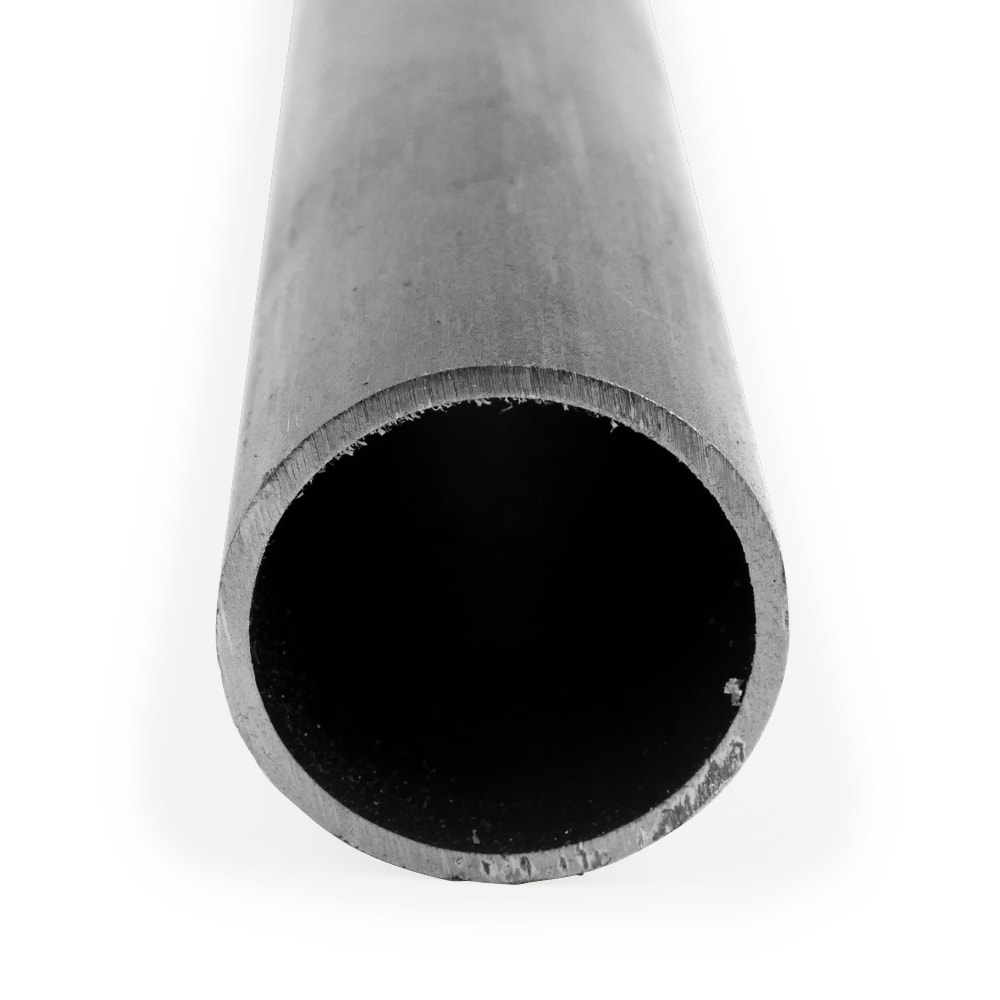


High Quality Guarantee
Every project deserves traceable, top quality metals, and with MTRs and Certificates available, from start to finish you should expect certified quality, reliable service, and peace of mind from any materials vendor.

The Most Brass Shapes and Alloys
Onlinemetals carries the industry’s largest selection of brass shapes, alloys, and tempers. From standard options like sheet, round bar, and flat bar to specialty shapes like rectangle tube and half oval, you’ll find the brass material you need for nearly any project.

Brokerage & Volume Discounts
Buying big? We help businesses save with volume discounts, brokerage sourcing, and cost-efficient shipping. Flexible net terms keep your cash flow strong while you stock up on certified metal for sale online.

Fast, Accurate Shipping
As the #1 trusted online metal distributor, we deliver to homes and businesses nationwide. Your order arrives exactly as specified, and if it doesn’t we’ll make it right with our customer first guarantee.
Alloy steel combines carbon steel with elements like chromium, molybdenum, or nickel to achieve exceptional strength, deep hardenability, and high fatigue resistance. This specialized composition allows it to be heat-treated to exact specifications, offering a superior strength-to-weight ratio over standard mild steel, making it the industry standard for high-stress applications. While it requires care during welding and must be coated to prevent rust, its unmatched toughness ensures critical components can withstand cyclic loading and constant vibration without catastrophic failure.
Learn More About Alloy Steel
Thinking about using alloy steel for your next project? It is the backbone of high-stress engineering—offering superior mechanical properties over standard carbon steel. To help you determine the right fit, here are five important factors when choosing alloy steel:
- Strength-to-Weight Ratio Alloy steels like 4130 (Chromoly) offer an exceptional strength-to-weight ratio. This makes them significantly lighter than carbon steel equivalents for the same strength, which is why they are industry standards in aviation and motorsports.
- Responsiveness to Heat Treatment Unlike standard steel, alloy steels are designed to be heat-treated. Grades like 4140 and 4340 can be hardened to achieve specific levels of toughness and wear resistance, allowing for versatile applications from crankshafts to gears.
- Through-Hardening Capabilities Deep hardenability is a key trait of alloy steel. While carbon steel often only hardens on the surface, alloy grades allow the hardness to penetrate deeper into the material, ensuring the core is as robust as the exterior.
- Fatigue Resistance If your part is subject to cyclic loading or constant vibration, alloy steel is essential. Its microstructure resists the propagation of cracks better than mild steel, preventing catastrophic failure in critical components like axles and shafts.
- Weldability Considerations While strong, alloy steels require care when welding. Pre-heating and post-weld heat treatment are often necessary to prevent cracking in the heat-affected zone (HAZ), especially in higher carbon grades like 4140.
Some common uses for alloy steel:
- Roll cages and chassis frames
- Aircraft engine mounts
- Gears, shafts, and axles
- Fasteners and bolts
- Oil and gas drilling components
- Bicycle frames
How Online Metals Can Help You Online Metals makes it easy to find exactly what materials you need. With the widest selection of alloy steel sheet, plate, bar, and tube in the U.S., we deliver both to businesses and homes with no minimum orders. We offer high-tolerance custom cuts, all supported by our first-in-class customer support, fast order processing, and economical on-time delivery.


Alloy Steel FAQs
What is the difference between Alloy steel and Carbon Steel?
Carbon Steel is traditional steel commonly used for appliances, buildings, bridges, etc. Alloy Steel is steel with additional elements mixed in to create a new steel material with enhanced properties and features. Some of these properties include stronger steel, better corrosion resistance, improved fatigue resistance, etc. The alloy can be chosen to meet the needs of the individual project.
What is Alloy Steel commonly used for?
Alloy steel is used when carbon steel is not strong enough for the requirements of the application.
What is the difference between the different alloys?
Depending on the combination of elements making of the alloy, alloy steel will have different properties for a variety of applications. Here are some of our more frequently used alloys. For a full list of available alloys, view our product guide.
- 4130 – A more malleable material than carbon steel and easier to bend, this alloy is often used in roll cages. This alloy is Chromoly, stronger than carbon steel and heat treated before use. 4130 is commonly used for gears, fasteners, firearms, and some aircraft exteriors.
- 4140 –Stronger than carbon steel, yet less malleable than 4130. This alloy is Chromoly and common industrial applications include heavy duty applications, bolts, fixtures, automotive applications, etc.
- 4340 – This alloy has high strength and better fatigue resistance and strength is retained after being bent. 4340 can be machined and easily and is commonly used in aerospace applications, hydraulic parts, machine tools and more.
How do you weld Alloy Steel?
Depending on the combination of elements making of the alloy, alloy steel will have different properties for a variety of applications. Here are some of our more frequently used alloys. For a full list of available alloys, view our product guide. There are several different methods to weld alloy steel.
- ARC Welding -Often used for maintenance and small production welding.
- TIG Welding – Uses non-combustible electrode to initiative arc
- Gas Welding – Uses oxygen-acetylene mixture to provide high temperature flame for welding and brazing.
- MIG Welding – Uses an arc between continuous filler metal electrode and the base metal.
Can you weld Alloy Steel to Carbon Steel?
Alloy steel and Carbon Steel can be welded together using the TIG or MIG welding methods. Using a mild steel wire or welding rod as the filler metal is preferred in this process.
What’s the difference between normalized and annealed?
Normalized material is cooled at room temperature, annealed material is cooled at a regulated temperature. Normalized steel has a higher hardness value than annealed.


 Continue modifying your quoted cart?