


Carbon Steel
Online Metals is the best source for affordable, versatile carbon steel. We stock A36, 1018, and more for construction and fabrication. With no minimum orders and custom cuts, we provide the reliable structural materials that welders, builders, and engineers trust for every job.
Shop by Shape & Alloy


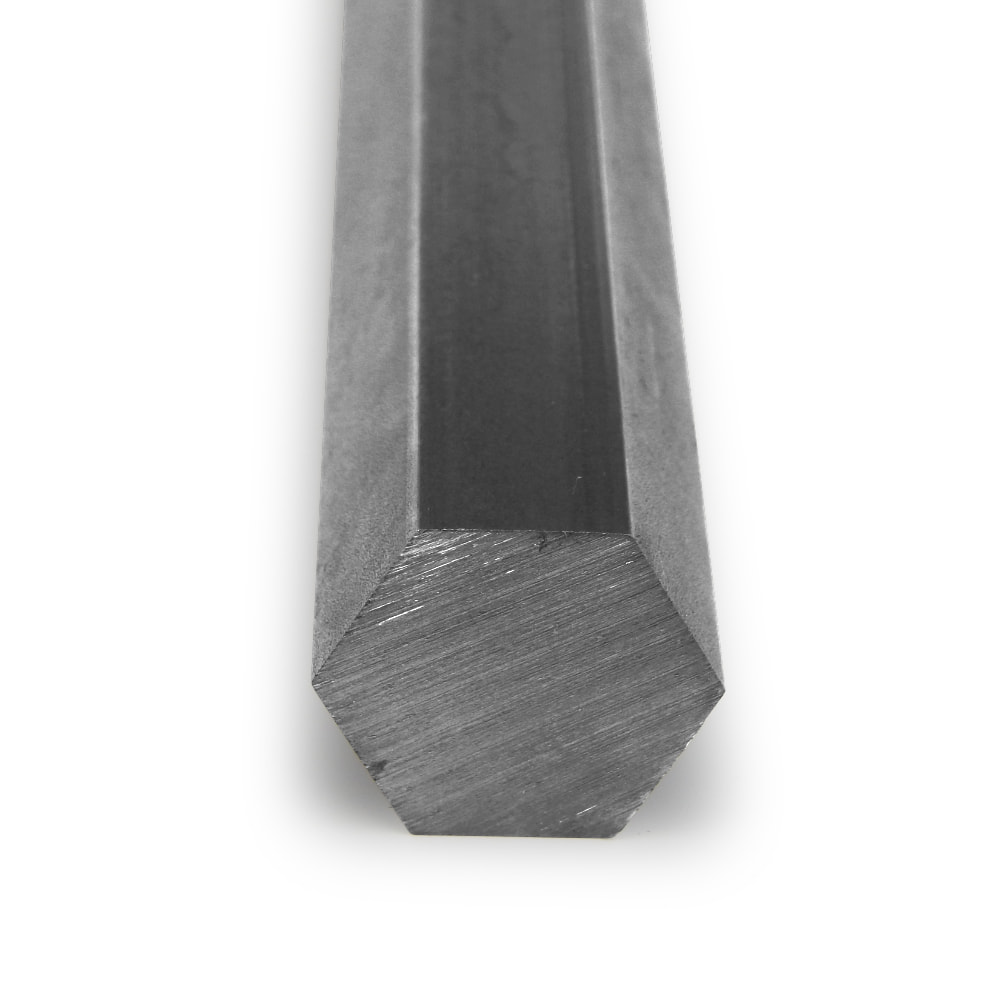
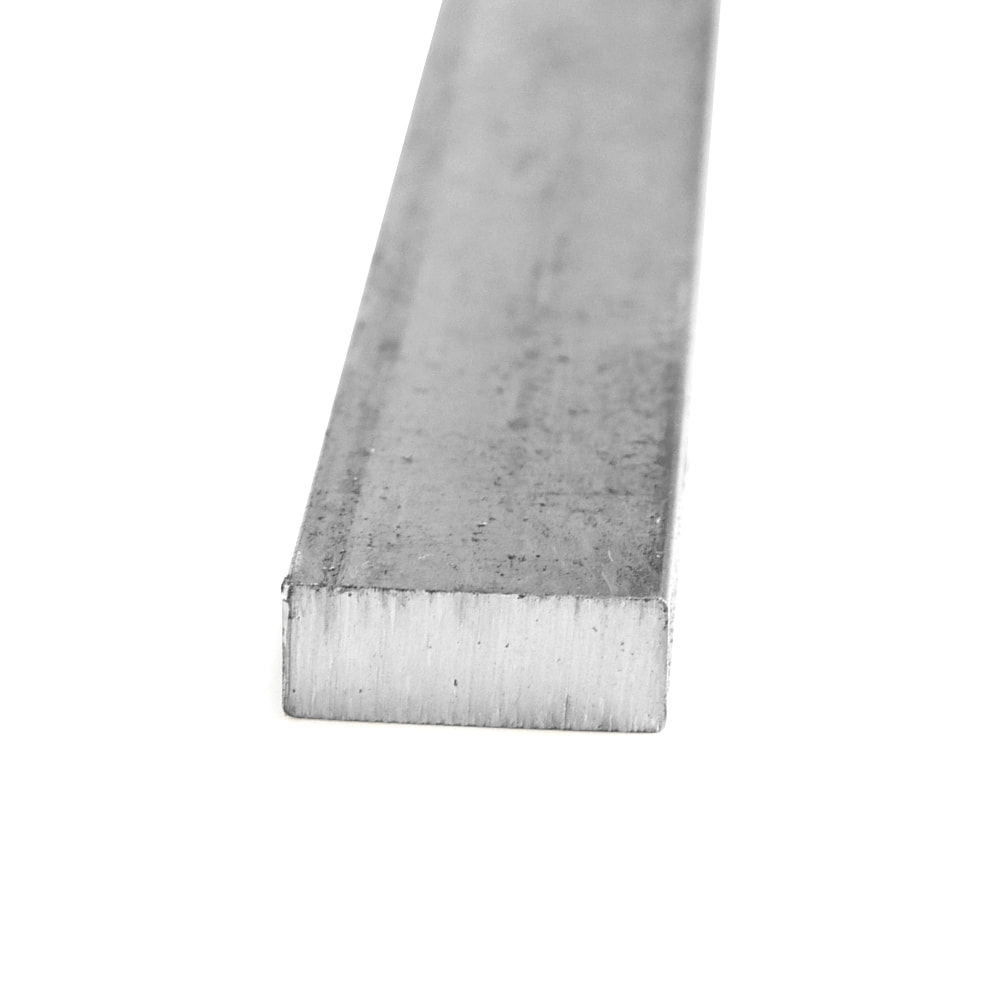
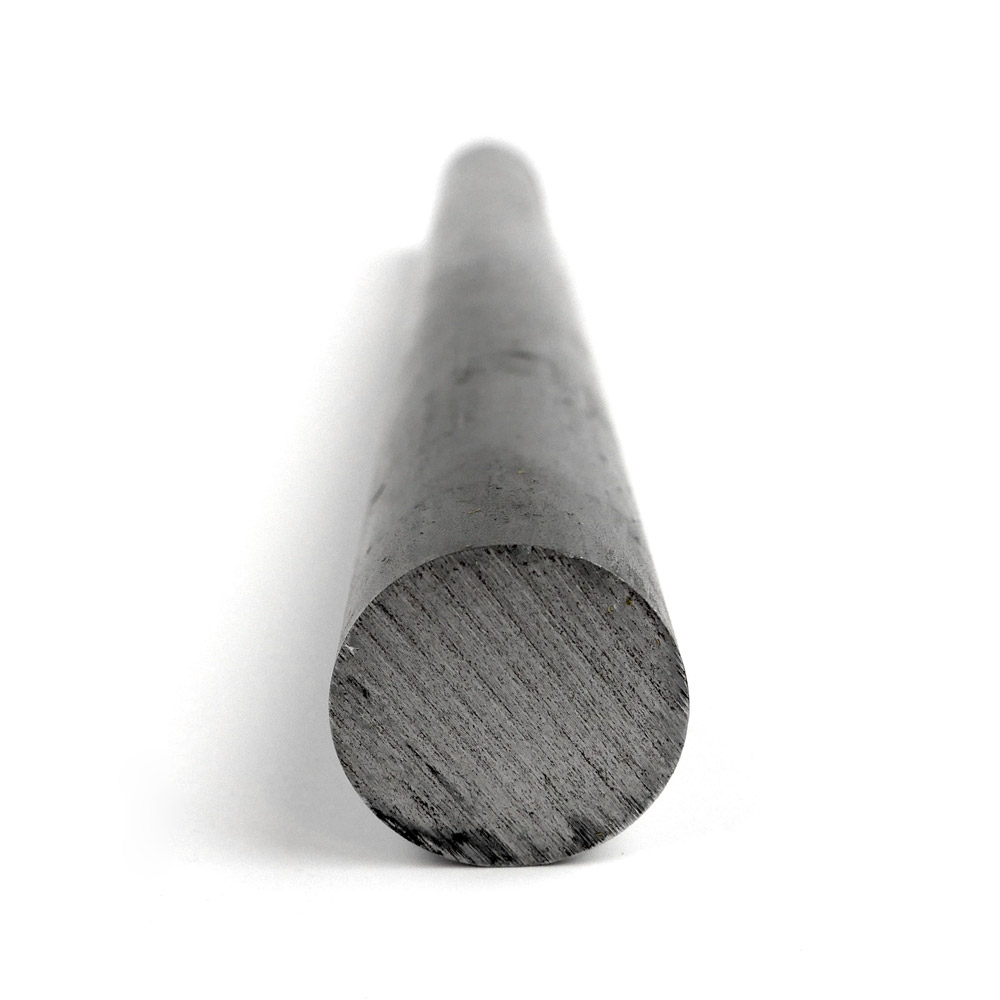

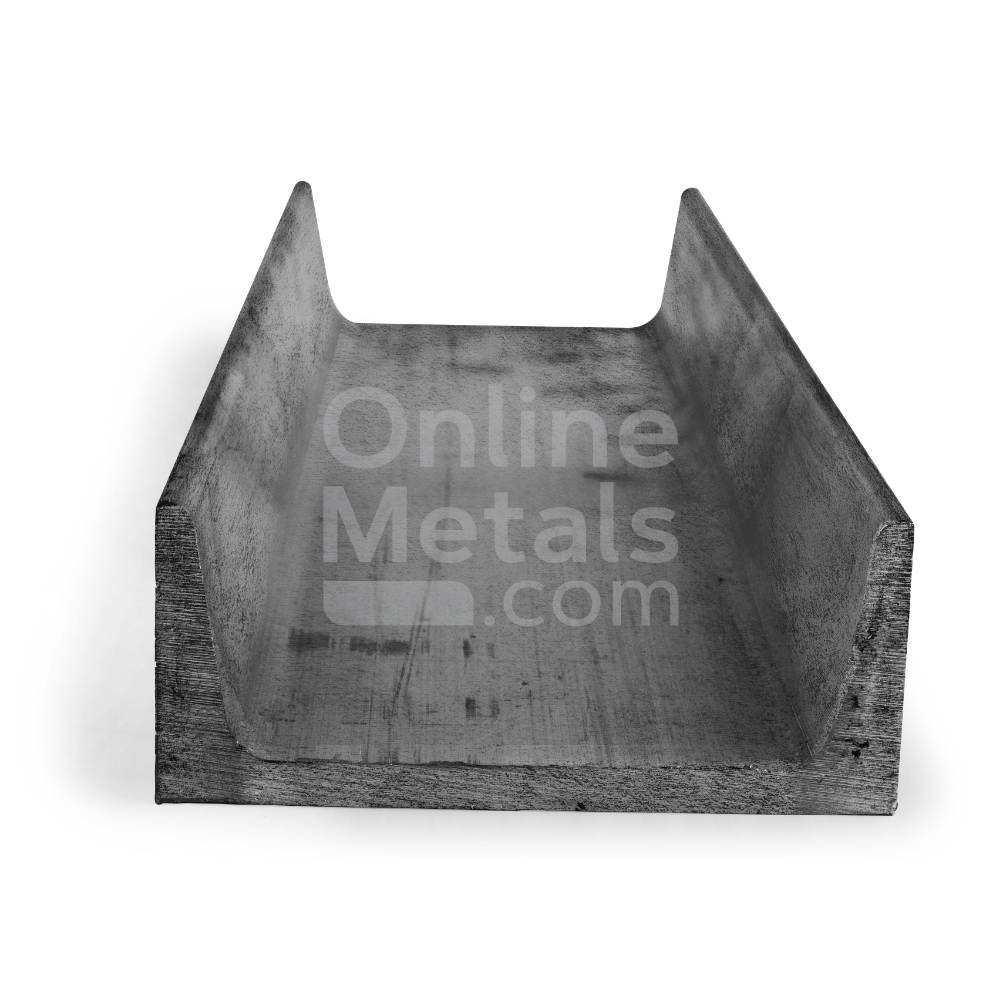


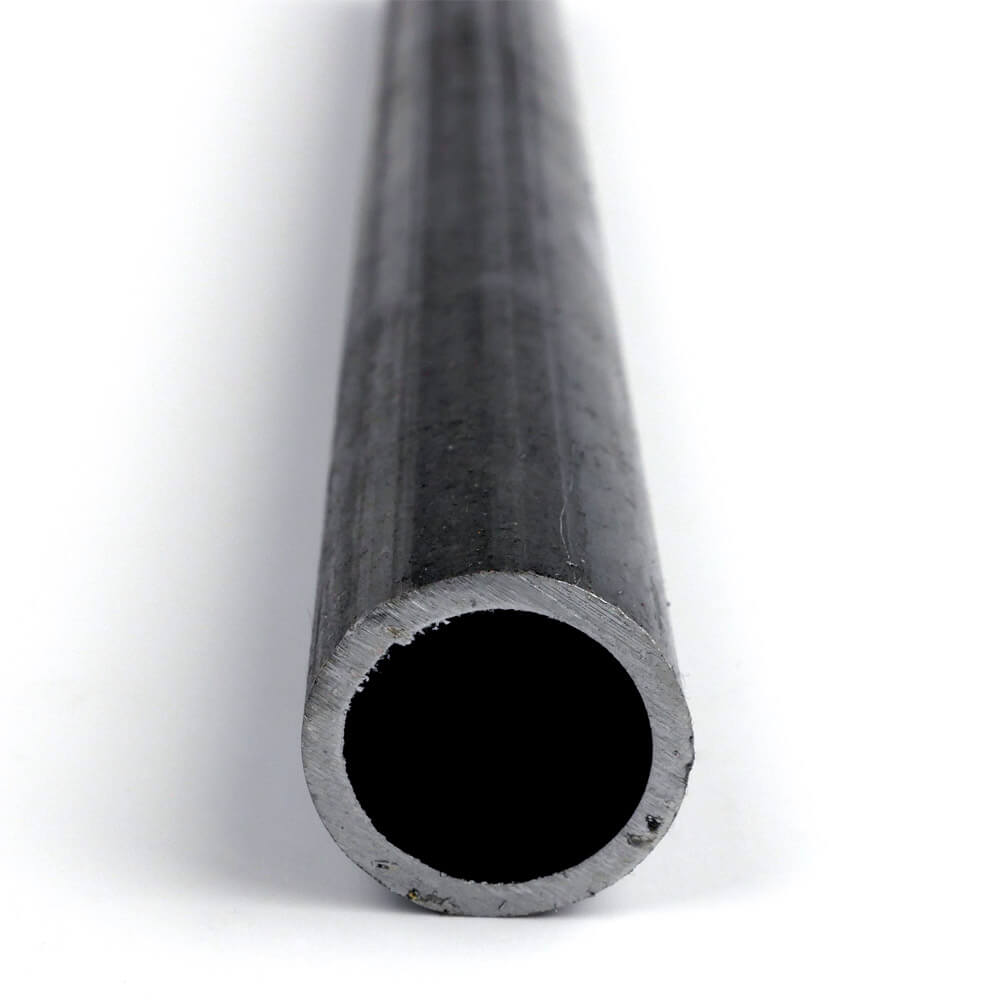


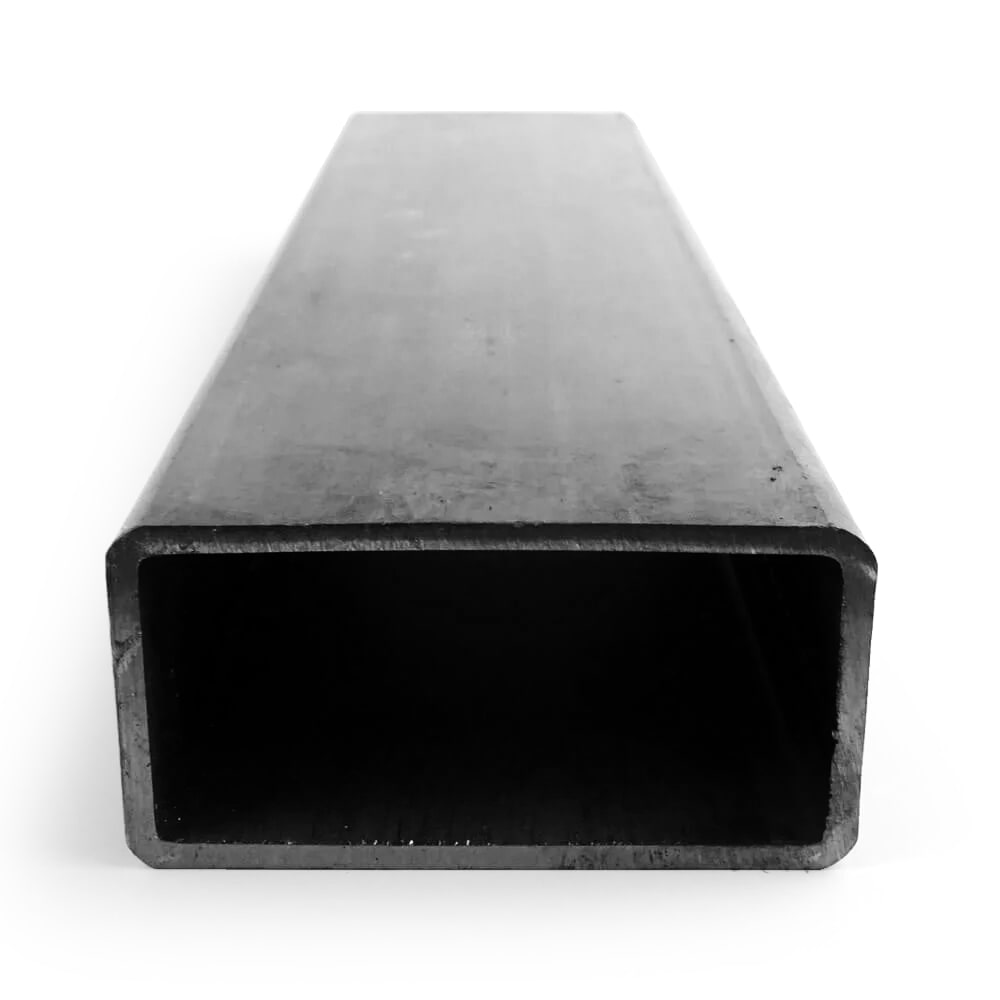
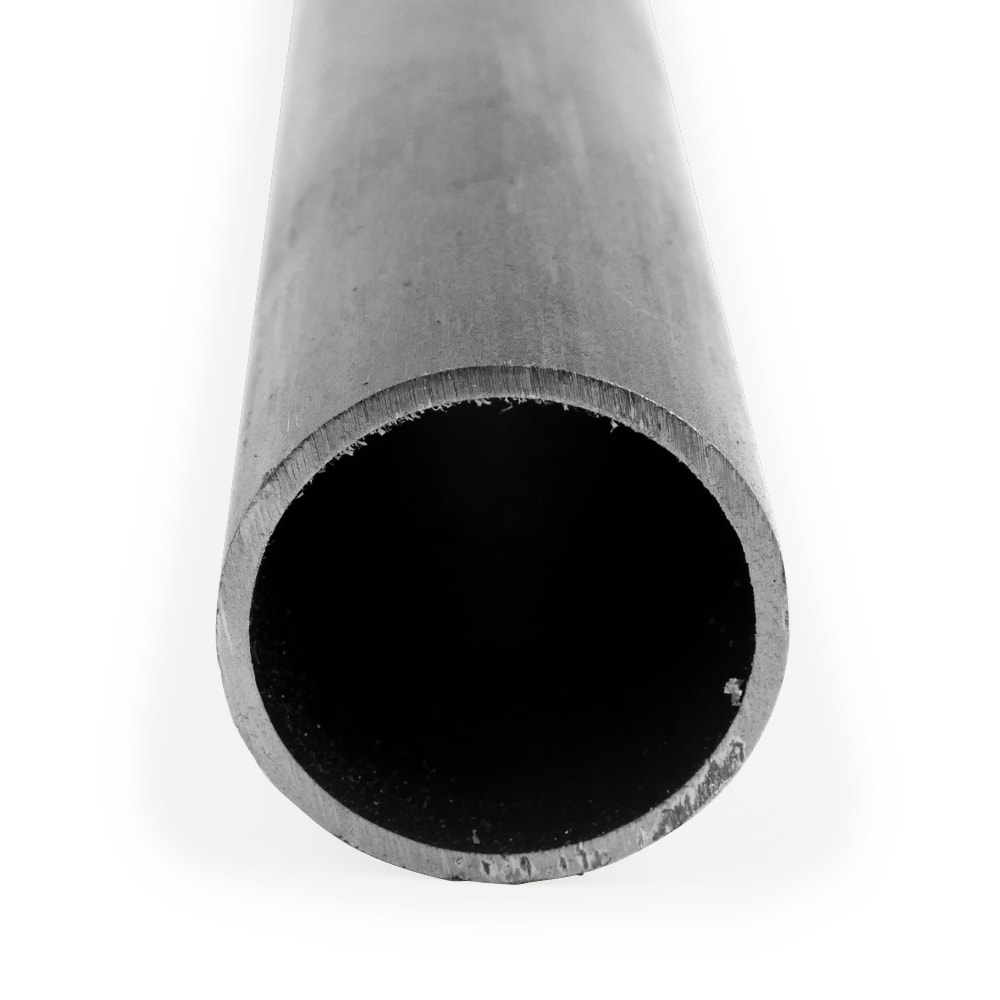


High Quality Guarantee
Every project deserves traceable, top quality metals, and with MTRs and Certificates available, from start to finish you should expect certified quality, reliable service, and peace of mind from any materials vendor.

The Most Brass Shapes and Alloys
Onlinemetals carries the industry’s largest selection of brass shapes, alloys, and tempers. From standard options like sheet, round bar, and flat bar to specialty shapes like rectangle tube and half oval, you’ll find the brass material you need for nearly any project.

Brokerage & Volume Discounts
Buying big? We help businesses save with volume discounts, brokerage sourcing, and cost-efficient shipping. Flexible net terms keep your cash flow strong while you stock up on certified metal for sale online.

Fast, Accurate Shipping
As the #1 trusted online metal distributor, we deliver to homes and businesses nationwide. Your order arrives exactly as specified, and if it doesn’t we’ll make it right with our customer first guarantee.
Carbon steel is a fundamental alloy of iron and carbon, celebrated as the backbone of industrial fabrication due to its high strength, affordability, and exceptional weldability. It comes in varying carbon contents—from mild steel (A36) that is highly formable and easily welded, to higher carbon grades that offer increased hardness for tools and blades. While it is highly susceptible to rust and requires surface treatments like paint or galvanizing, carbon steel provides the most cost-effective solution for robust structural applications and precision machining where corrosion resistance is a secondary concern.


Learn More About Carbon Steel
Thinking about using carbon steel for your next project? It is the workhorse of the industrial world—strong, affordable, and easy to work with. To help you plan your build, here are five important factors when choosing carbon steel:
- Carbon Content Defines Use The amount of carbon changes the steel's personality.
- Low Carbon (Mild Steel): Easy to weld and form, used in structures (A36).
- Medium/High Carbon: Harder and stronger but more brittle and harder to weld; used for tools and blades.
- Excellent Weldability Low carbon steels like A36 and 1018 are among the easiest metals to weld. They don't require the complex pre-heating or post-heating procedures that alloy steels or cast irons do, making them perfect for fabrication.
- Surface Treatment is Mandatory Unlike stainless steel or aluminum, carbon steel will rust if left exposed to moisture. It almost always requires a secondary finish, such as painting, powder coating, galvanizing, or oiling, to prevent oxidation.
- Cost-Effectiveness Carbon steel is generally the most economical metal available. For projects where corrosion resistance isn't the primary concern (or where coating is planned), it offers the best strength-per-dollar value.
- Cold Rolled vs. Hot Rolled
- Hot Rolled (A36): Has a rough, scaly surface and looser tolerances; cheaper and good for structural beams.
- Cold Rolled (1018): Has a smooth, oily surface and tight size tolerances; better for machining and precision parts.
Some common uses for carbon steel:
- Structural beams (I-beams, channels)
- Automotive chassis and body panels
- Fencing and gates
- Machinery parts
- Pipelines
- Fasteners and nails
How Online Metals Can Help You Online Metals makes it easy to find exactly what materials you need. With the widest selection of carbon steel sheet, plate, bar, and tube in the U.S., we deliver both to businesses and homes with no minimum orders. We offer high-tolerance custom cuts, all supported by our first-in-class customer support, fast order processing, and economical on-time delivery.
Carbon Steel FAQs
Is carbon steel prone to corrosion?
Yes, carbon steel can be susceptible to corrosion, especially in humid or corrosive environments. However, its resistance to corrosion can be improved through various methods, such as applying protective coatings, galvanizing, or using stainless steel alloys.
What is the difference between carbon steel and stainless steel?
Carbon steel primarily consists of iron and carbon, while stainless steel contains iron, carbon, and a minimum of 10.5% chromium. This chromium content in stainless steel forms a passive oxide layer that provides excellent corrosion resistance, whereas carbon steel's lack of chromium makes it more prone to rusting.
Can carbon steel be welded?
Yes, carbon steel is commonly welded using various welding techniques. However, the welding process can alter the material's properties, affecting its strength and corrosion resistance near the welded area. Proper welding procedures and post-weld treatments are essential to maintain the desired characteristics.
Is carbon steel suitable for high-temperature applications?
Carbon steel's suitability for high-temperature applications depends on its carbon content and alloying elements. Low-carbon steel is often used in applications where moderate temperatures are involved, while higher carbon content can lead to improved heat resistance. Alloying elements like chromium, molybdenum, and nickel can enhance high-temperature properties in specific carbon steel alloys. However, for extremely high temperatures, specialized heat-resistant alloys might be preferred.


 Continue modifying your quoted cart?