


Copper
Online Metals is your go-to shop for high-purity copper products. From conductive bus bars to roofing sheets, we offer an unmatched variety. With no minimums and fast shipping, we supply the electrical, plumbing, and artistic materials that professionals and crafters need.
Shop by Shape & Alloy


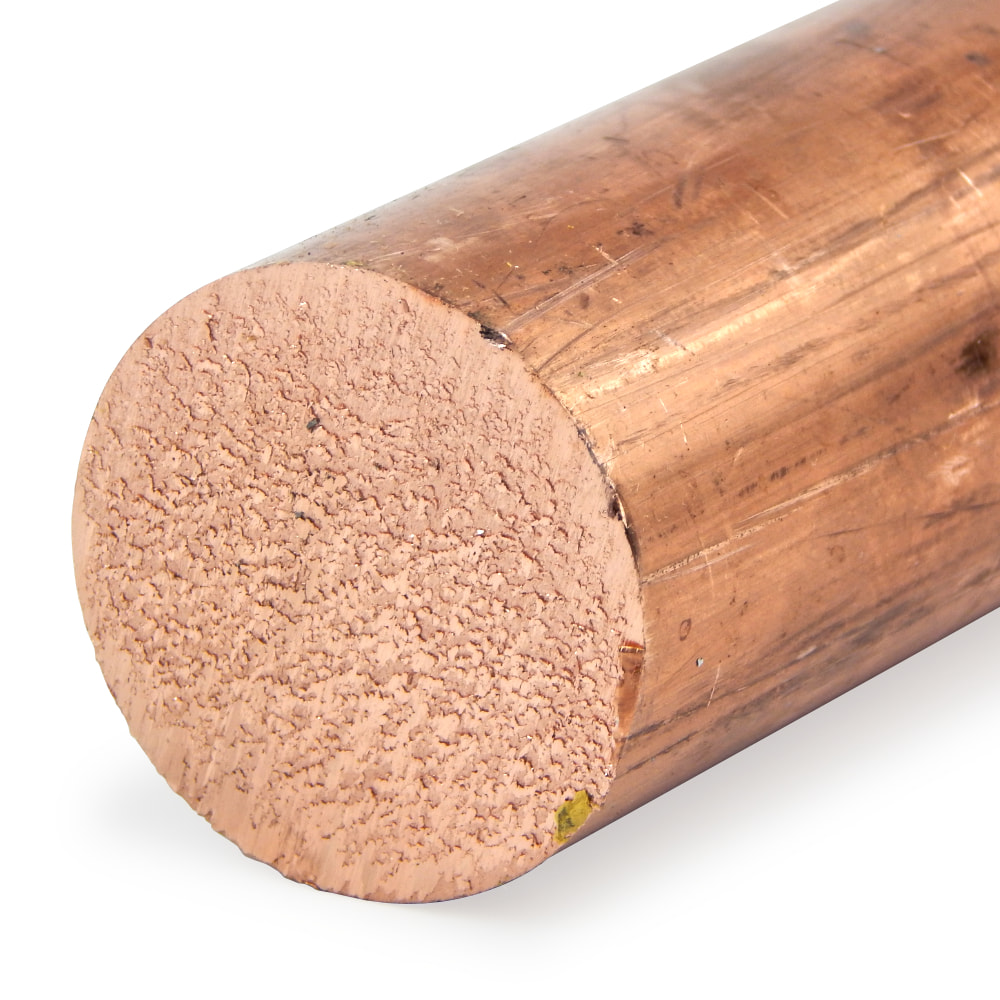
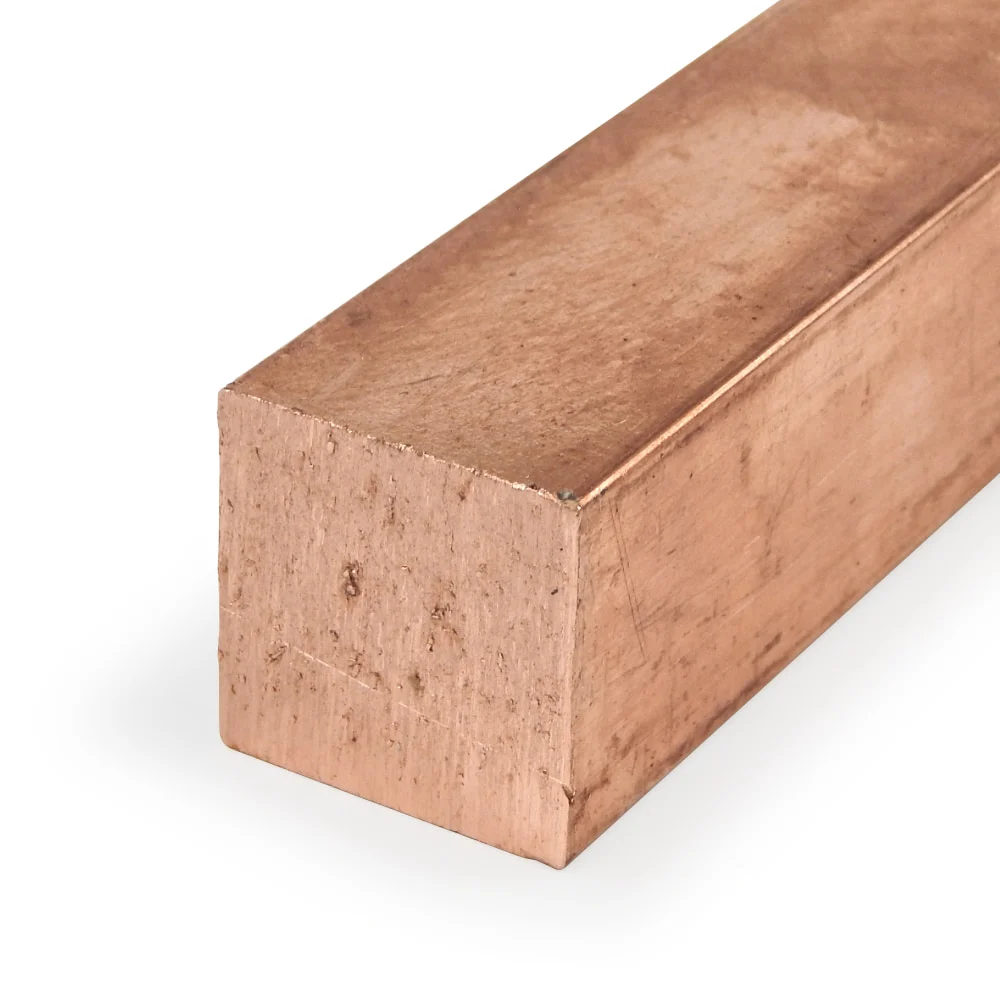


High Quality Guarantee
Every project deserves traceable, top quality metals, and with MTRs and Certificates available, from start to finish you should expect certified quality, reliable service, and peace of mind from any materials vendor.

The Most Brass Shapes and Alloys
Onlinemetals carries the industry’s largest selection of brass shapes, alloys, and tempers. From standard options like sheet, round bar, and flat bar to specialty shapes like rectangle tube and half oval, you’ll find the brass material you need for nearly any project.

Brokerage & Volume Discounts
Buying big? We help businesses save with volume discounts, brokerage sourcing, and cost-efficient shipping. Flexible net terms keep your cash flow strong while you stock up on certified metal for sale online.

Fast, Accurate Shipping
As the #1 trusted online metal distributor, we deliver to homes and businesses nationwide. Your order arrives exactly as specified, and if it doesn’t we’ll make it right with our customer first guarantee.
Copper is one of the oldest and most vital metals used by humans, defined by its unparalleled thermal and electrical conductivity, extreme ductility, and natural antimicrobial properties. It can be easily drawn into fine wires or hammered into complex shapes without breaking, making it indispensable for electrical transmission and intricate plumbing systems. While it naturally oxidizes to a protective green patina outdoors, its pure state (like C110) ensures minimal energy loss in power systems and prevents the leaching of harmful chemicals into water supplies.


Learn More About Copper
Thinking about using copper for your next project? It is one of the oldest metals used by humans, famous for its reddish-orange hue and incredible conductivity. To help you understand its potential, here are five important factors regarding copper:
- Unmatched Conductivity Aside from silver, copper is the best conductor of electricity and heat. Grade C110 (Electrolytic Tough Pitch) is the standard for electrical applications like bus bars and wiring, ensuring minimal energy loss.
- Antimicrobial Properties Copper is naturally antimicrobial. Bacteria and viruses die within hours of contact with a copper surface. This makes it an increasingly popular choice for countertops, door handles, and surfaces in hospitals and kitchens.
- Extreme Ductility Copper is soft and extremely malleable. It can be drawn into very thin wires or hammered into complex shapes (like bowls or roofing details) without breaking, a property known as ductility.
- The "Living" Finish Copper reacts to its environment. Indoors, it slowly darkens to a brown penny color. Outdoors, it eventually develops a green patina (verdigris) that actually protects the metal from further corrosion—a look prized in architecture.
- Plumbing and Purity For plumbing and pipes, phosphorus-deoxidized copper (C122) is used because it resists corrosion from water and is easy to braze. Its purity ensures it doesn't leach harmful chemicals into water supplies.
Some common uses for copper:
- Electrical wiring and bus bars
- Roofing and flashing
- Plumbing pipes and heat exchangers
- Cookware
- Decorative art and jewelry
- Distillery equipment (stills)
How Online Metals Can Help You Online Metals makes it easy to find exactly what materials you need. With the widest selection of copper sheet, plate, bar, and tube in the U.S., we deliver both to businesses and homes with no minimum orders. We offer high-tolerance custom cuts, all supported by our first-in-class customer support, fast order processing, and economical on-time delivery.
Copper FAQs
What copper sheet is best for forming?
Both alloys of copper sheet that we stock, C110 and C101, are very similar in chemical composition and will have good formability. The temper will determine just how malleable the copper sheet will be. If simple bends are required but strength is also important, H02 (half hard) will be the best temper to use. If more complicated bends are required or lightly hammering or shaping will be performed, H00-H01 (1/8-1/4 hard) will be the best option. When applications include heavy hammering or stamping, O temper (soft temper) will be the best option. Keep in mind that copper alloy sheets will harden with cold-working, so even soft temper sheet may need to be heated and re-annealed between hammering and stamping cycles.
What thickness should I use for decorative use?
When used for decorative and architectural purposes, copper is a great option because of the rich red-brown color. Backsplashes, counter tops, kick plates, faceplates, and other applications are made from copper. There isn’t one thickness more suited for any of these applications. Determining which thickness works best depends on the other processes being performed on the material. As a guide, a backsplash will need to be thicker to hold up against everyday wear and tear and will need to be light enough to install easily and bend if necessary. We normally recommend anywhere from 0.02"-0.04" for back splash and faceplates and anywhere from 0.032"-0.062" for counter tops because it will see more direct contact.
Which copper alloy is best for an electrical application?
Copper is conductive and used for electrical applications. C110 alloy will work well in most electrical applications, that alloy will conduct heat and electricity very well. However, some applications require C101 oxygen free copper, which is a commercially pure high conductivity grade of copper that is frequently used in conductors and electrical components.
How do I keep copper from turning green?
Copper will not rust. When exposed to air and water over time, it will form a layer of copper oxide that is normally green. Coating the material in a clear coat made for metal or for applications that are exposed less to the elements may prevent discoloration. Wax may be applied to stop the reaction. To clean the copper oxide from copper, use a mild acid along with an abrasive powder and scrub the material.


 Continue modifying your quoted cart?